
Sourdough Discard Banana Bread is a culinary masterpiece that marries the tangy undertones of sourdough discard with the rich, comforting flavors of a timeless Sourdough banana bread. Born out of the desire to reduce kitchen waste and elevate traditional recipes, this bread is a testament to sustainable baking practices. By incorporating the often-discarded sourdough starter, the bread takes on a unique character, offering a delightful play of flavors in every bite.
The natural fermentation of the sourdough discard introduces a depth and complexity to the bread, setting it apart from its conventional counterparts. When paired with the inherent sweetness of ripe bananas, the result is a harmonious blend that tantalizes the palate. Beyond its taste, the bread boasts a moist, tender crumb, making it a joy to eat at any time of the day.
Whether you’re a seasoned baker or a novice, this recipe provides an opportunity to experiment and innovate. It’s not just about creating a delicious treat; it’s about embracing a mindful approach to baking. Every loaf of Sourdough Discard Banana Bread is a celebration of creativity, sustainability, and the simple joys of homemade goodness.
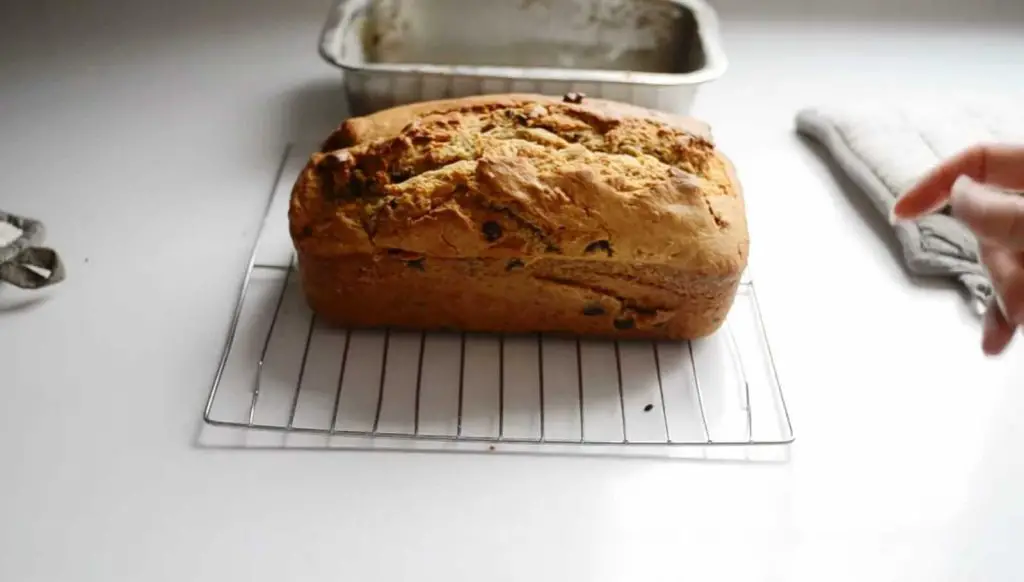
Sourdough Discard Banana Bread: A Delightful Twist
Banana bread has always been a favorite treat for many, known for its moist texture and sweet flavor. But when you introduce sourdough discard into the mix, you’re in for a delightful twist that elevates the classic banana bread to a whole new level.
What is Sourdough Discard?
Sourdough discard is the portion of your sourdough starter that you typically throw away when you feed it. As the starter ferments, it produces more cells than it can sustain, leading to the need to discard some of it to keep the starter healthy. Instead of throwing it away, many bakers have found creative ways to use this discard, turning what was once waste into a flavorful ingredient.
The discard has a tangy flavor due to the fermentation process, and it can add a unique depth of flavor to various baked goods, including pancakes, waffles, and, of course, banana bread.
The Magic of Banana Bread
Banana bread is magical in its simplicity. With just a few ripe bananas and some pantry staples, you can whip up a loaf that’s perfect for breakfast, a snack, or dessert. The natural sweetness of the bananas means you often don’t need as much added sugar, making it a healthier option than some other baked goods.
When you add sourdough discard to banana bread, the magic intensifies. The tangy flavor of the discard complements the sweetness of the bananas, creating a harmonious blend of flavors. The discard also contributes to the bread’s texture, making it even more moist and tender.
sourdough discard banana bread is more than just a way to use up leftover starter. It’s a delightful twist on a classic treat, combining the best of both worlds to create a bread that’s truly magical in flavor and texture.
Combining sourdough discard with banana bread is a popular choice among bakers, and for good reasons. Here’s a breakdown of why one might choose to do so and the benefits it brings:
Why Combine Sourdough Discard with Banana Bread?
- Waste Reduction: Sourdough discard is the portion of your sourdough starter that you typically throw away when you feed it. By incorporating it into banana bread, you’re reducing waste and making the most of all your ingredients.
- Improved Texture: Sourdough discard can lend a unique texture to the banana bread. The natural fermentation process of the discard can make the bread more tender and give it a slight chew, which many people find appealing.
- Natural Leavening: While banana bread recipes typically rely on baking soda or baking powder for leavening, the natural yeasts in sourdough discard can also contribute to the rise, especially if given a longer fermentation time.
Benefits of Using Sourdough Discard:
- Flavor Development: Sourdough discard has a tangy flavor due to the fermentation process. When added to recipes, it can introduce a subtle sour note, which can add depth and complexity to the overall taste.
- Nutritional Benefits: The fermentation process of sourdough can make certain nutrients more bioavailable and can reduce the phytic acid content, which can inhibit the absorption of some minerals.
- Extended Shelf Life: Baked goods made with sourdough tend to have a longer shelf life. The acidity of the sourdough can act as a natural preservative, reducing the speed at which mold grows.
- Versatility: Sourdough discard can be used in a variety of recipes, from pancakes to crackers to muffins, making it a versatile ingredient to have on hand.
Enhancing the Flavor Profile of Banana Bread:
- Depth of Flavor: The tanginess of the sourdough discard contrasts beautifully with the natural sweetness of ripe bananas. This combination creates a more nuanced flavor profile, making each bite interesting.
- Richness: The fermentation process can enhance the natural flavors present in the bread, making them more pronounced and richer.
- Complexity: The interplay between the sour notes of the discard and the other ingredients in banana bread can result in a multi-layered taste experience, elevating the humble banana bread to something gourmet.
combining sourdough discard with banana bread not only offers a sustainable way to use up excess discard but also introduces a delightful twist in flavor and texture to the classic banana bread.
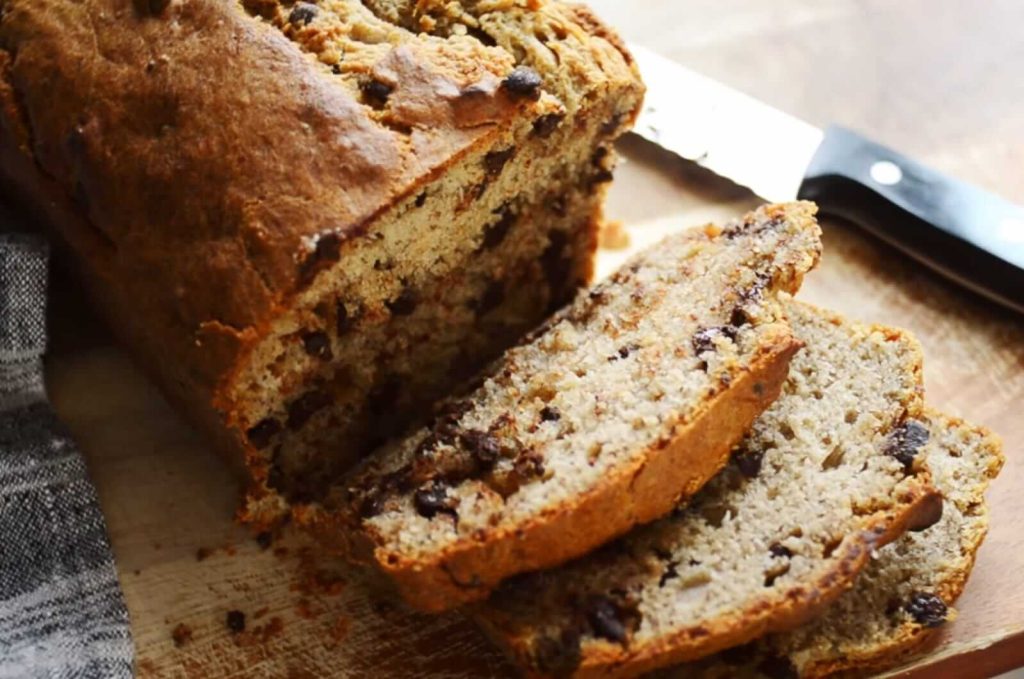
Ingredients Needed for Sourdough Discard Banana Bread
Here are the essential ingredients and optional add-ins for making Sourdough Discard Banana Bread:
Essential Ingredients:
- 1 cup of ripe banana (mashed)
- 1 cup of sourdough discard
- 1/2 cup of granulated sugar
- 1/4 cup of unsalted butter (melted)
- 1 large egg
- 1 teaspoon of vanilla extract
- 1 1/2 cups of all-purpose flour
- 1 teaspoon of baking soda
- 1/2 teaspoon of salt
Optional Add-ins for Extra Flavor:
You can customize your Sourdough Discard Banana Bread by adding any of the following optional ingredients for extra flavor and texture:
- 1/2 cup of chopped nuts (such as walnuts or pecans)
- 1/2 cup of chocolate chips
- 1/2 cup of dried fruits (such as raisins or cranberries)
- 1 teaspoon of cinnamon or nutmeg for added spice
- 1/2 cup of shredded coconut
- 1/4 cup of yogurt or sour cream for extra moisture
Feel free to mix and match these optional add-ins based on your preferences to create a delicious and unique banana bread. Enjoy baking!
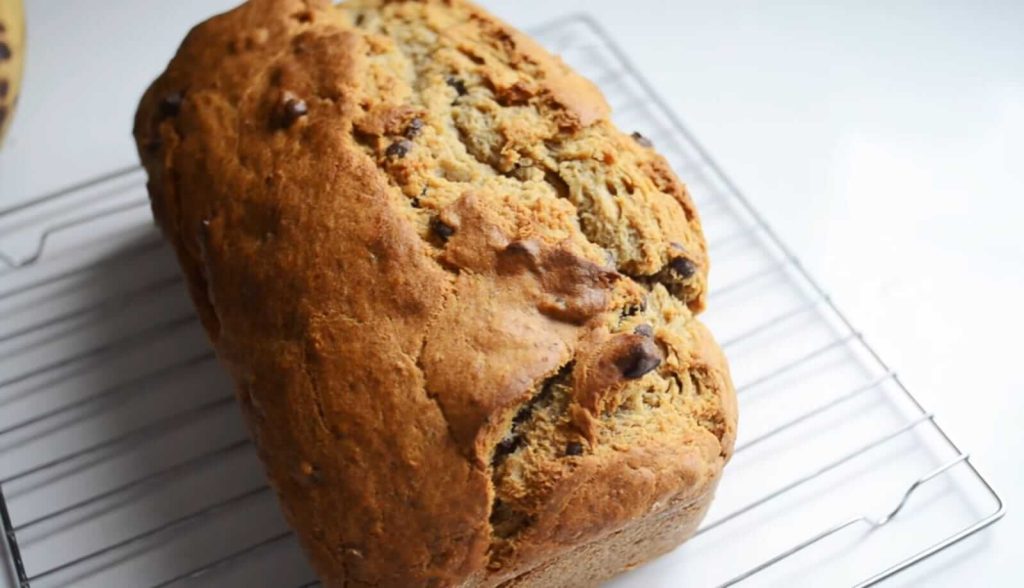
Step-by-Step Guide to Making Sourdough Discard Banana Bread
Here are the step-by-step instructions for making Sourdough Discard Banana Bread:
1. Preheat Your Oven:
- Preheat your oven to 350°F (175°C). Grease and flour a 9×5-inch (23×13 cm) loaf pan.
2. Combine Wet Ingredients:
- In a large mixing bowl, mix together:
- 1/2 cup melted unsalted butter
- 1 cup granulated sugar
- Add and mix in:
- 2 large eggs
- 1 teaspoon vanilla extract
- Stir in:
- 1 cup sourdough discard
- 2-3 ripe mashed bananas (about 1 cup)
3. Combine Dry Ingredients:
- In a separate bowl, whisk together:
- 2 cups all-purpose flour
- 1 teaspoon baking soda
- 1/2 teaspoon salt
4. Incorporate Dry Ingredients:
- Gradually add the dry ingredients to the wet mixture. Mix until just combined. Avoid overmixing; it’s okay to have a few lumps.
- If you’re using optional add-ins like nuts or chocolate chips, fold them into the batter at this point.
5. Transfer to Loaf Pan:
- Pour the banana bread batter into the greased and floured 9×5-inch loaf pan. Spread it evenly.
6. Bake:
- Place the pan in the preheated oven and bake for about 60-70 minutes. Check for doneness by inserting a toothpick or cake tester into the center; it should come out clean or with a few moist crumbs attached.
7. Cool:
- Let the banana bread cool in the pan for approximately 10-15 minutes.
8. Remove from Pan:
- Carefully remove the banana bread from the pan and transfer it to a wire rack to cool completely.
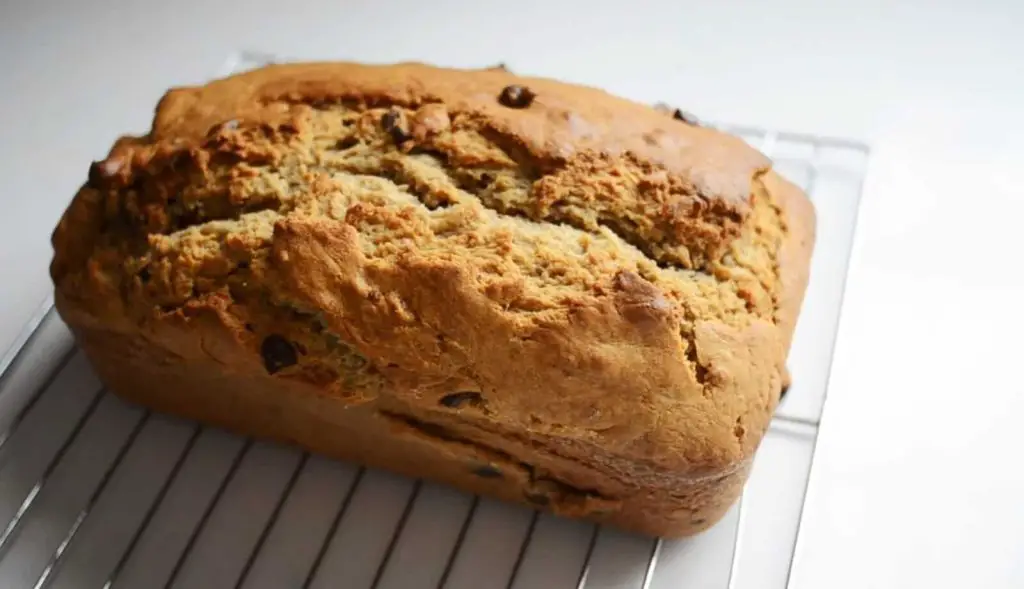
Tips and Tricks for the Perfect Loaf
Tips and Tricks for the Perfect Loaf:
- Use High-Quality Ingredients: Start with good-quality flour, yeast, and water. Fresh ingredients can make a significant difference in the final result.
- Measure Accurately: Use measuring cups and a kitchen scale to ensure accurate measurements of ingredients. Precision is crucial in baking.
- Knead Properly: Kneading the dough helps develop gluten, which is essential for a good structure. Knead until the dough becomes smooth and elastic.
- Control the Temperature: Pay attention to the temperature of your ingredients and the environment. Most bread recipes require a warm room for rising and proofing.
- Allow for Proper Proofing: Let the dough rise until it has doubled in size. This can take anywhere from 1 to 2 hours, depending on the recipe and temperature.
- Preheat Your Oven: Make sure your oven is fully preheated before baking. A hot oven helps the bread rise and develop a nice crust.
- Steam the Oven: Adding steam to the oven during the first few minutes of baking helps create a crisp crust and promotes oven spring (the initial rise in the oven).
Achieving the Right Texture:
- Crust: To achieve a crispy crust, brush the bread with water before baking or place a pan of water in the oven to create steam.
- Crumb: The crumb refers to the interior texture of the bread. For an open and airy crumb, ensure proper kneading, proofing, and shaping of the dough.
- Doneness: Use a thermometer to check the internal temperature of the bread. It should register around 190-200°F (88-93°C) when fully baked.
- Cooling: Allow the bread to cool on a wire rack to prevent it from becoming soggy due to trapped steam.
Storing and Serving Suggestions:
- Storage: Store bread in a paper bag or a breathable container to maintain its crust’s crispness. Avoid plastic bags, which can make the crust soft.
- Freezing: Bread can be frozen for later use. Slice it before freezing to make it easier to thaw and reheat individual slices.
- Reheating: To freshen up stale bread, sprinkle it with water and heat it in a 350°F (175°C) oven for a few minutes. For frozen bread, thaw and reheat in the oven or toaster.
- Serving: Enjoy freshly baked bread with butter, olive oil, cheese, or your favorite spreads. It’s also great for making sandwiches or toasting for breakfast.
By following these tips and tricks, you’ll be on your way to baking the perfect loaf with the right texture and serving it in the best possible way. Happy baking!
Sourdough Discard Banana Bread FAQ
Sourdough discard is the portion of your sourdough starter that you typically remove and discard when you feed or refresh your starter. Instead of throwing it away, it can be used in various recipes, like banana bread, to add flavor and utilize the natural fermentation.
Sourdough discard adds a tangy flavor to the banana bread, complementing the sweetness of the bananas. It also helps in giving the bread a moist texture.
Yes, you can use an active starter, but it might make the bread rise more due to the active yeast. The flavor profile will also be slightly different, with a more pronounced sourdough taste.
The riper the bananas, the better. Overripe bananas, with black or brown spots, are sweeter and mash more easily, imparting a stronger banana flavor to the bread.
Absolutely! Common mix-ins include walnuts, pecans, chocolate chips, or even dried fruits like raisins or cranberries.
Once cooled, store the banana bread in an airtight container at room temperature for up to 3 days. For longer storage, refrigerate or freeze slices wrapped in plastic wrap.
Sourdough Discard Banana Bread Recipe
Sourdough Discard Banana Bread Recipe
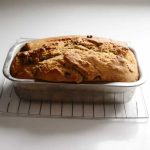
Indulge in the delightful fusion of tangy sourdough discard and the natural sweetness of ripe bananas with our Sourdough Discard Banana Bread. This recipe not only makes the most of your sourdough discard but also transforms it into a moist, flavorful, and comforting treat.
The process begins with preheating your oven to a warm 350°F, creating a welcoming ambiance in your kitchen. As you prepare to bake, don’t forget to grease and lightly flour a standard 9×5-inch loaf pan, ensuring your banana bread easily slides out when it’s time to enjoy.
- 9×5-inch (23×13 cm) loaf pan
- Mixing bowls
- Whisk or wooden spoon
- Measuring cups and spoons
- Oven
- Wire rack
cup sourdough discard
2-3 ripe bananas, mashed (about 1 cup)
1/2 cup unsalted butter, melted
1 cup granulated sugar
2 large eggs
1 teaspoon vanilla extract
2 cups all-purpose flour
1 teaspoon baking soda
1/2 teaspoon salt
Optional: 1/2 cup chopped nuts or chocolate chips
Preheat your oven to 350°F (175°C). This should take about 10-15 minutes.
Grease a 9×5-inch (23×13 cm) loaf pan with butter or cooking spray, then lightly flour it to prevent sticking.
In a large mixing bowl, combine 1/2 cup melted unsalted butter and 1 cup granulated sugar.
Stir in 2 large eggs and 1 teaspoon vanilla extract.
Mix in 1 cup sourdough discard and 2-3 ripe mashed bananas (about 1 cup).
In a separate bowl, whisk together 2 cups all-purpose flour, 1 teaspoon baking soda, and 1/2 teaspoon salt.
Gradually add the dry ingredients to the wet mixture. Mix until just combined (about 2 minutes). Avoid overmixing; it’s okay to have a few lumps. If desired, fold in 1/2 cup chopped nuts or chocolate chips.
Pour the banana bread batter into the greased and floured 9×5-inch loaf pan. Spread it out evenly.
Place the pan in the preheated oven. Bake for about 60-70 minutes. Check for doneness by inserting a toothpick or cake tester into the center; it should come out clean or with a few moist crumbs attached.
Allow the banana bread to cool in the pan for about 10-15 minutes.
Carefully remove the banana bread from the pan and transfer it to a wire rack to cool completely. This should take about 5 minutes.
Once the bread has cooled, slice it into pieces. This recipe typically yields 8-10 slices.
Serve the Sourdough Discard Banana Bread and enjoy!
Don’t discard your sourdough discard! This Sourdough Discard Banana Bread recipe is a delightful way to repurpose and breathe new life into your leftover sourdough starter. The marriage of tangy sourdough with the natural sweetness of ripe bananas creates a unique and comforting flavor profile that’s sure to please your taste buds.
Remember to use bananas that are nice and ripe, preferably with brown spots. They bring a wonderful sweetness and moistness to the bread.
Feel free to get creative with add-ins! While this recipe is delicious on its own, consider adding chopped nuts or chocolate chips to take your banana bread to the next level. These add-ins introduce contrasting textures and delightful surprises in every bite.
Don’t rush the cooling process. Allowing the banana bread to cool in the pan before transferring it to a wire rack is crucial for its texture and flavor development. It’s worth the extra few minutes of patience.
This recipe yields 8-10 slices, making it perfect for sharing or enjoying over several days. Slice, serve, and savor the unique blend of flavors in each bite. Whether it’s a cozy morning treat, a pick-me-up snack, or a satisfying dessert, this Sourdough Discard Banana Bread is sure to become a household favorite.
Get ready to enjoy the best of both worlds – the depth of sourdough and the classic appeal of banana bread – in every delicious slice.
Bon appétit!


3 thoughts on “Sourdough Discard Banana Bread: Delicious Recipe for Bakers!”